
Living In Australia
December 6, 2024 2026-05-05 12:06Living In Australia
- International Students – Entry into Australia
If you are arriving from an international destination to begin your studies, an IBC representative will meet you at Melbourne or Adelaide Airport and transfer you to your pre-arranged accommodation. You must request this airport pickup service at the time of admission. IBC can also assist you with your immediate basic needs such as changing money, buying food and any other items, as well as longer-term requirements such as opening a bank account, city familiarisation and information on the local transport system. - Border Security
When you first arrive in Australia you must proceed through Australian Immigration (follow the signs for Arriving Passengers as you leave the plane). An Immigration Officer will ask to see your completed Incoming Passenger Card (given to you on the plane) along with your passport and student visa evidence. The Immigration Officer will check your documents and may ask you a few questions about your plans for your stay in Australia. For further details, please refer to: https://immi.homeaffairs.gov.au/
entering-and-leaving-australia/entering-australia/overview. - Bringing Goods
Bringing general goods such as gifts, souvenirs, cameras, electronic equipment, leather goods, perfume concentrates, jewellery, watches, and sporting equipment worth AU$900.00 is allowed for people aged 18 years and above. For people below 18 years, the concession is limited to AU$450.00. Australia has strict border protection laws, and if you wish to bring anything into Australia, or check for the latest information, please access the Australian Border Force website. List of items you can and can’t bring in (abf.gov.au) Personal goods owned and used for more than 12 months prior to arrival are allowed in tax-free. Proof of the date of purchase and purchase price may be required. You can bring your laptop computer and other similar electronic equipment for your personal use duty/tax free. Home Affairs must be satisfied that you will take these home with you on departure. For further details, please refer to: https://immi.homeaffairs.gov.au/entering-and-leaving-australia/entering-australia/duty-free. - Accessing Money
You easily open a bank account in Australia. You will be required to provide sufficient identity documents to do so. Please note, however, that Australian law limits the amount of cash you are able to bring into the country. Please check the Australian Border Force website for the latest information. You should bring your money as an international card you can use within Australia. Follow the security measures recommended by your financial institution to protect yourself while in Australia. Traveller’s cheques are rarely used in Australia. It may be possible to redeem traveller’s cheques at banks, though they not accepted in shops. Cashing traveller’s cheques will usually incur a financial fee. It is not safe to bring large sums of money in cash with you. Few travel insurance companies will replace lost or stolen cash. Do not ask someone you have just met to hold your cash for you or to take your cash to make payments for you. For more information, please visit the Department of Home Affairs website: https://www.homeaffairs.gov.au/
covid19/visa-information/international-students.
Non-Tuition Fees (in Australian Dollars)
| Application fee | $ 500.00 |
| Late payment of tuition fee | $ 150.00 |
| Deferral of studies fee | $ 0.00 |
| Airport pick-up fee | $ TBC.00 |
| Accommodation assistance fee | $ TBC.00 |
| Replacement testamur fee | $ 100.00 |
| Interim transcript fee | $ 25.00 |
| Replacement student ID fee | $ 20.00 |
| Late return of library books fee | $ 1 per day after 1 day for books from Reserve $ 1 per day after 7 days for other items |
Banking getting set up
There are a wide range of banks that offer discounts, free transfers, internet banking, and even free financial advice for international students. Set up a bank account as soon as possible after your arrival.
Open bank account
- To open a bank account you will need: Your confirmation of enrolment (COE) Enrolment letter and/or Student ID Passport
- Letter of Offer or photo identificatione.g. Adult proof of age card
- A contact number in Australia
Bank Opening Hours
The standard opening hours for most major banks in Australia are Monday to Friday from 9:30am until 4pm
Major Bank
Below are links for information on Australia's four largest banks:
https://www.anz.com.u/personal/bank-accounts/life-stages/studying/
https://www.commbank.com.au/banking/students.html
https://www.nab.com.au/personal/banking/transaction-accounts/nab-classic-banking
https://www.westpac.com.au/personal-banking/bank-accounts/moving-to-australia/
Accommodation Options
Whether you are a domestic or international student, Student Services staff will provide you with information that will help you organise accommodation prior to your arrival.
Options for accommodation include:
- private rental, including student accommodation, and/or shared accommodation; and
- homestay arrangements – living with an Australian family who provide accommodation and meals. This is sometimes a wise option if longer-term accommodation is taking a while to secure.
One of the first things you will need to do is find permanent accommodation. Websites such as those listed below are a good place to start:
Share Accommodation | Flatmates.com.au
Student Accommodation & Housing Australia and New Zealand | UniLodge
Accommodation | Information
Consider whether you would like student housing, share housing, homestay or private rental. Consider the distance of your accommodation from your campus and whether it is easily accessible by public transport, such as bus, tram or train.
Find out what shopping centres and amenities, as well as health, hospital and emergency services are located nearby.
Student housing
Share housing
Rental rights
International students have the same tenant rights as all Australians
Study Australia
Living in Adelaide
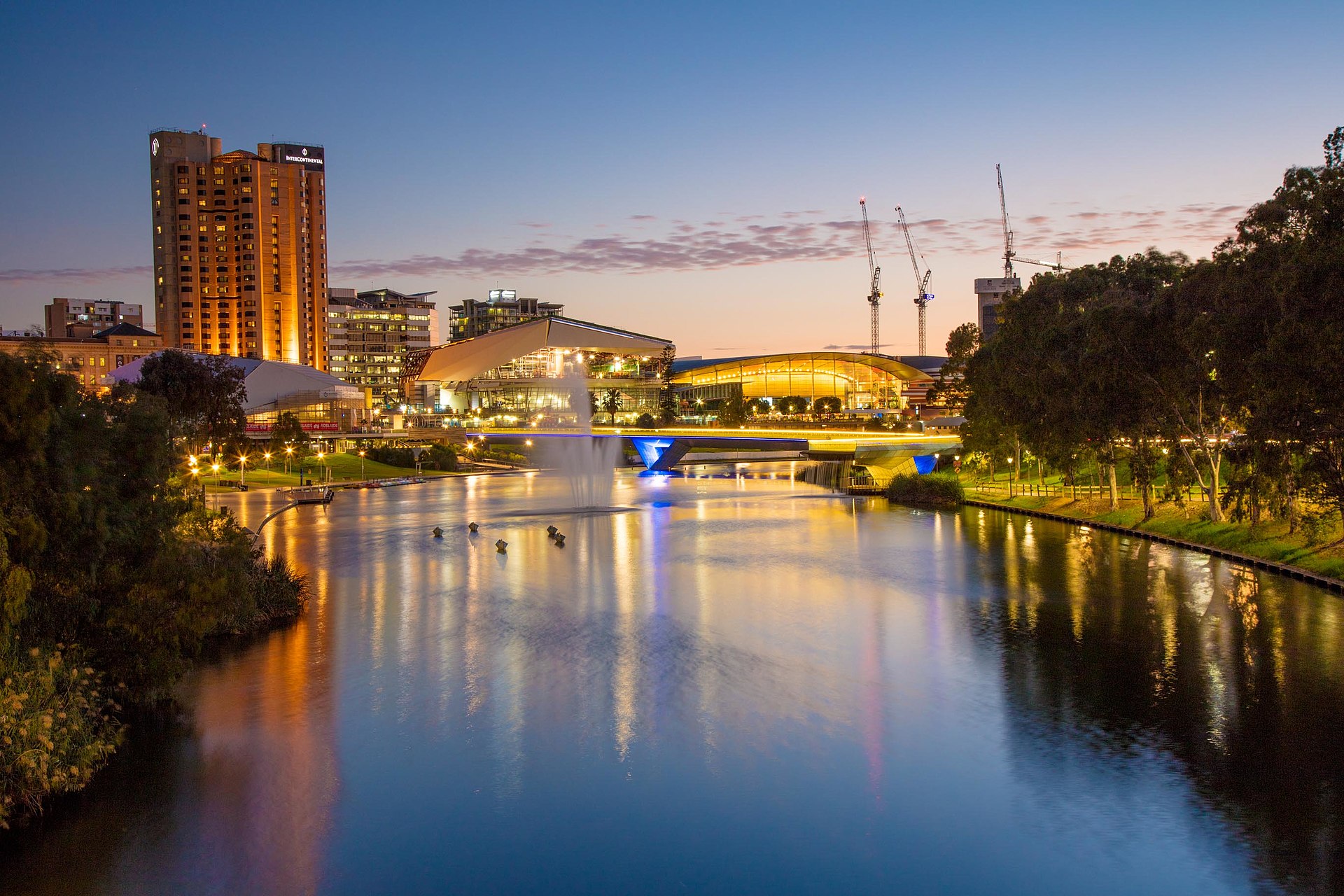
- Adelaide is one of the world’s most liveable cities, with a vibrant atmosphere and natural beauty on its doorstep
- There is so much to experience beyond the classroom, from local fresh food markets, international sporting events and world-renowned arts festivals
- The layout of the city means you spend less time commuting and more time enjoying life
- And with a lower cost of living than other capital cities in Australia, you have more money to enjoy it too
- It’s up to 12% more affordable to live in Adelaide than other major Australian cities, and our city has the lowest median rent in the country
The Ultimate Adelaide Student Guide | Student.com
Discover Adelaide Through the Eyes of International Students – Insider Guides
Experience Adelaide | Fun Things to Do in Adelaide
Living in Melbourne
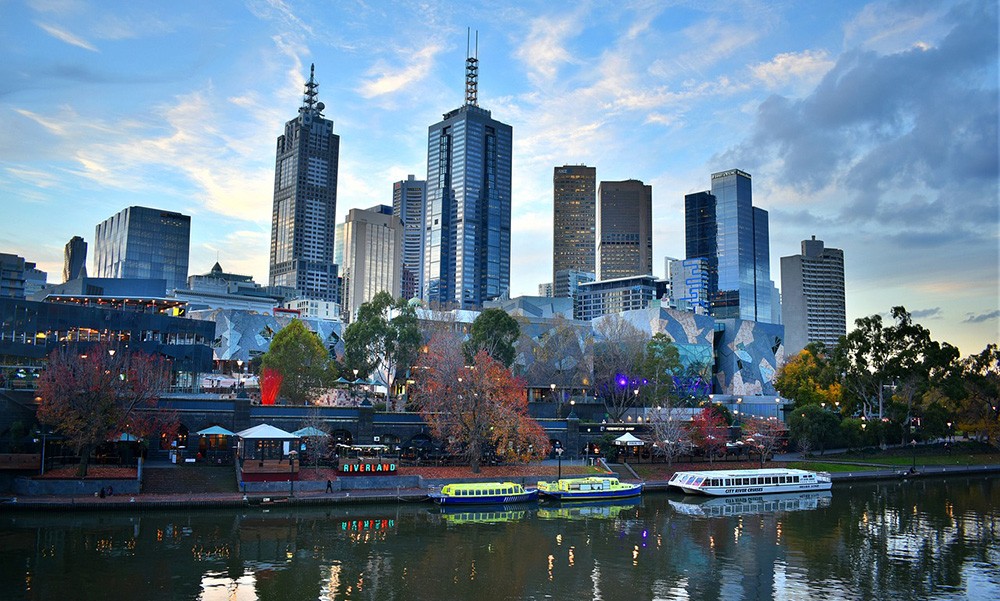
- Melbourne is now the 3rd most liveable city in the world!
- Melbourne has moved up seven ranks on this year’s Economist Intelligence Unit’s Global Liveability Index 2023
- The Economist Intelligence Unit (EIU) assessed more than 170 cities across categories such as stability, health care, culture, environment, education and infrastructure
- Across five broad categories, Melbourne scored a perfect 100 in Healthcare, Infrastructure, and Education
Top 10 things to do in Melbourne (visitmelbourne.com)
Australia’s Best Student City | Choose Melbourne | Study Melbourne
Cost of living
It is important to have an idea of how much it will cost you to live in Melbourne or Adelaide, given your accommodation and lifestyle choices. You can estimate how much you will need to live comfortable by using the online calculator Cost of Living Calculator (studyaustralia.gov.au)
From 1 October 2023, student visa applicants will need to show they have a minimum of AU$24,505 in savings to cover annual living costs Change to evidence of financial capacity for Student visas | Study Australia
Student Visa requirements
Accommodation
Financial planning
Dependent children
Employment Support
How much work?
During your time in Australia you may want to find a job to gain experience and to assist with the financial aspect of your studies. Please bear in mind there is a limit on working hours as per your visa conditions
Where to find work?
Here are a few useful websites to assist you with your search: https://au.indeed.com https://www.seek.com.au https://www.studyaustralia.gov.au/en/work-in-australia/finding-work-while-you-study
Workplace dispute
If you require any further information about your workplace rights and obligations, for example, resolving a workplace dispute, visit the Fair Work Ombudsman site www.fairwork.gov.au
Your work rights
You should also visit the following website to find out more about your employment rights and conditions: https://www.studyinaustralia.gov.au/english/live-in-australia/working
Australian minimum wage
National Minimum Wage
In accordance with guidelines set by the Fair Work Commission, the minimum wage specifically applicable to international students working in Australia begins at AUD $23.23. This translates to a fortnightly earning of $882.80 before tax.
Casual Loading
Casual employees covered by the national minimum wage also get a 25% casual loading.